


Can Pixel Neon Strips be used in a museum?
As a supplier of Pixel Neon Strips, I've often been asked about the viability of using our products in museums. Museums are unique spaces that blend art, history, and culture, and the lighting within them plays a crucial role in enhancing the visitor experience. In this blog post, I'll explore whether Pixel Neon Strips can be effectively integrated into museum settings.
Understanding Pixel Neon Strips
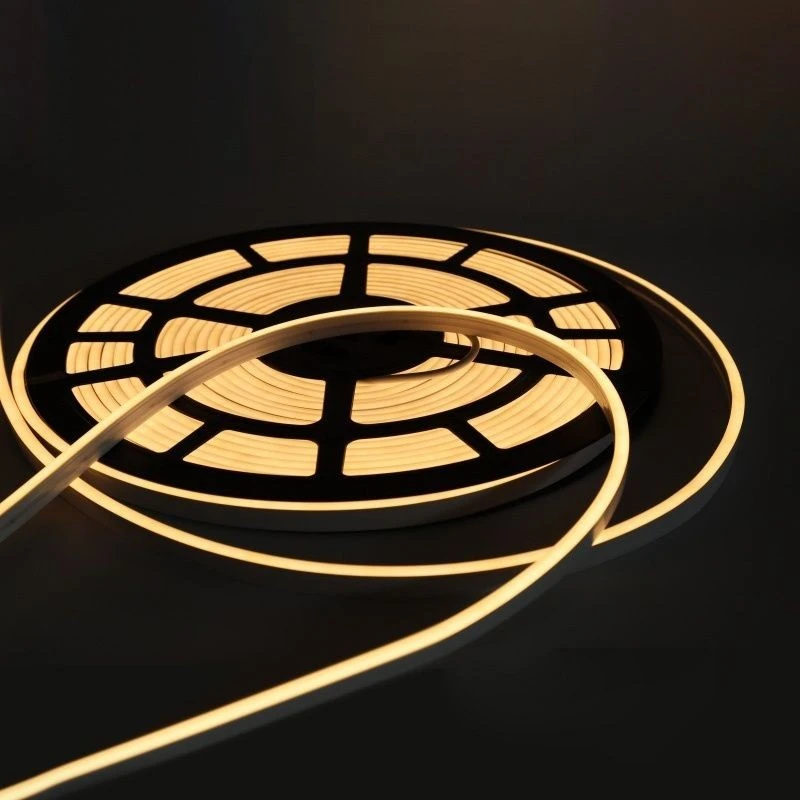
Before delving into their museum applications, let's briefly understand what Pixel Neon Strips are. Pixel Neon Strips are a type of LED lighting that consists of individual pixels, each capable of emitting a wide range of colors independently. This allows for dynamic and customizable lighting effects, such as color-changing patterns, animations, and even the display of images or videos. Unlike traditional neon lights, Pixel Neon Strips are more energy - efficient, flexible, and easier to install. You can learn more about them on our Pixel Neon Strip page.
Advantages of Using Pixel Neon Strips in Museums
1. Enhanced Visual Appeal
One of the primary benefits of Pixel Neon Strips in museums is their ability to create visually stunning displays. They can be used to highlight specific exhibits, draw attention to important artifacts, or set the mood for different galleries. For example, in a modern art gallery, Pixel Neon Strips can be programmed to create abstract color patterns that complement the contemporary artworks, adding an extra layer of depth and intrigue.
2. Customization
Museums often have diverse collections and unique architectural features. Pixel Neon Strips offer a high degree of customization, allowing museum curators to tailor the lighting to suit the specific needs of each exhibit. Whether it's a historical artifact that requires a warm, soft glow or a futuristic installation that calls for bold, dynamic lighting, Pixel Neon Strips can be adjusted accordingly.
3. Energy Efficiency
In today's environmentally conscious world, energy efficiency is a significant concern for museums. Pixel Neon Strips consume less energy compared to traditional lighting sources, which not only helps reduce the museum's carbon footprint but also lowers operating costs in the long run.
4. Flexibility in Installation
Pixel Neon Strips are flexible and can be bent, shaped, and cut to fit various spaces and designs. This makes them ideal for museums with irregularly shaped galleries or exhibits. They can be installed on walls, ceilings, floors, or even around sculptures, providing endless possibilities for creative lighting designs.
Considerations for Using Pixel Neon Strips in Museums
1. Preservation of Artifacts
Museums are responsible for the preservation of their collections. Some artifacts are sensitive to light, and excessive exposure to certain wavelengths can cause damage over time. When using Pixel Neon Strips, it's essential to ensure that the light output is within the acceptable range for the artifacts on display. This may require careful calibration of the color temperature, intensity, and duration of the lighting.
2. Color Accuracy
In a museum setting, accurate color representation is crucial, especially for artworks and historical documents. Pixel Neon Strips should be selected and configured to provide a high - quality, natural - looking light that accurately reproduces the colors of the exhibits. This may involve using RGBW (Red, Green, Blue, White) technology, which offers a wider color gamut and better color accuracy. You can find more information about RGBW Neon Strip on our website.

3. Glare and Reflection
Glare and reflection can be a problem in museum lighting, as they can interfere with the visitor's view of the exhibits. When installing Pixel Neon Strips, it's important to consider the angle and placement of the lights to minimize glare and reflection on glass cases, paintings, or other shiny surfaces.
4. Noise and Heat
Some lighting systems can generate noise and heat, which can be distracting for museum visitors and potentially harmful to the artifacts. Pixel Neon Strips are generally quiet and produce less heat compared to traditional lighting, but it's still important to ensure proper ventilation and cooling to prevent any issues.
Case Studies: Successful Use of Pixel Neon Strips in Museums
1. The Modern Art Museum of City X
The Modern Art Museum of City X recently renovated one of its galleries and decided to incorporate Pixel Neon Strips into the new lighting design. The strips were used to create a dynamic backdrop for a collection of contemporary sculptures. The programmable lighting effects added a sense of movement and energy to the space, enhancing the overall visitor experience. The museum reported an increase in visitor engagement and positive feedback from art enthusiasts.
2. The History Museum of Town Y
The History Museum of Town Y used Pixel Neon Strips to highlight a series of historical maps on display. The strips were installed around the edges of the map cases, providing a soft, even glow that made the maps easier to read and appreciate. The customizable lighting also allowed the museum to change the color and intensity of the light based on the time of day and the theme of the exhibit.
Other Types of Neon Strips for Museum Use
In addition to Pixel Neon Strips, our 360° Round Neon Strip can also be a great option for museums. These strips emit light in a 360 - degree pattern, providing uniform illumination in all directions. They can be used to create a more ambient lighting effect in large galleries or to highlight architectural features such as columns or arches.
Conclusion
In conclusion, Pixel Neon Strips can be a valuable addition to museum lighting designs. Their ability to create visually appealing displays, offer customization, and provide energy - efficient lighting makes them a suitable choice for many museum applications. However, it's important to consider the specific needs of the museum and its collections, such as artifact preservation, color accuracy, and glare reduction.
If you're a museum curator, designer, or lighting professional interested in exploring the use of Pixel Neon Strips or other neon lighting products in your museum, I encourage you to get in touch with us. We have a team of experts who can provide you with more information, offer design suggestions, and help you find the right lighting solutions for your specific requirements. Let's work together to create a more engaging and immersive museum experience for visitors.
References
- "Lighting in Museums: Principles and Practice" by John H. Falk and Lynn D. Dierking
- "The Art of Museum Lighting" by Peter Exley


