


As a supplier of LED neon strips, I often encounter various questions from customers. One question that has come up quite frequently is whether LED neon strips attract insects. In this blog post, I'll delve into the science behind this query and provide you with a comprehensive answer.
Understanding Insect Attraction to Light
To understand whether LED neon strips attract insects, we first need to know why insects are attracted to light in the first place. Historically, it was thought that insects were drawn to light sources because they used the moon and stars for navigation. Artificial lights, being much closer and brighter, confused them, causing them to circle around these light sources.
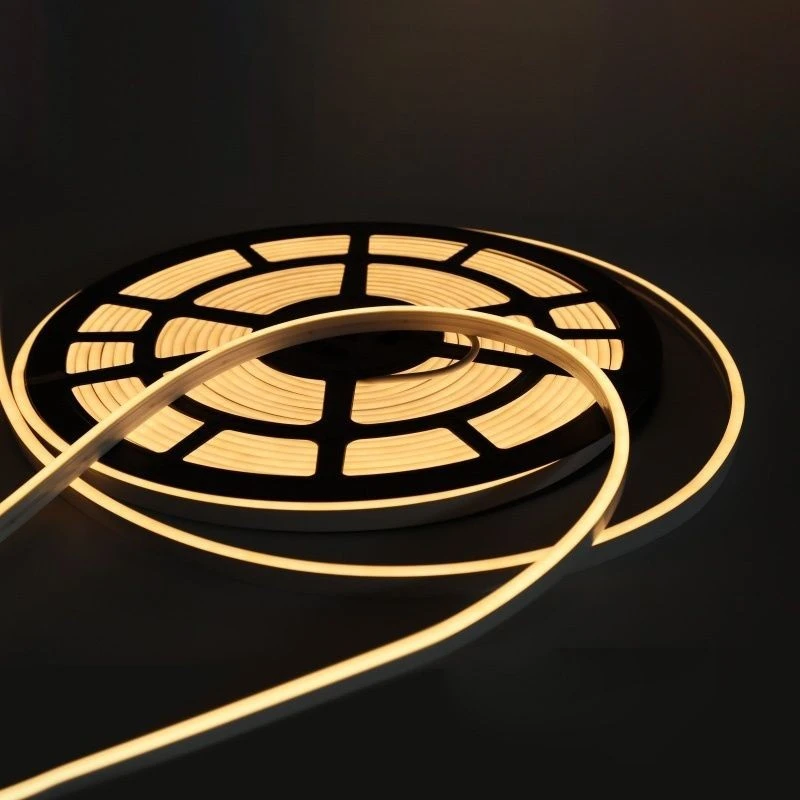

However, recent research has provided a more nuanced view. Insects are particularly sensitive to certain wavelengths of light. Many insects have photoreceptor cells that are most responsive to ultraviolet (UV) light, blue light, and green light. These wavelengths are often associated with natural cues in the environment, such as the reflection of UV light from flowers, which insects use to find food sources.
The Wavelengths of LED Neon Strips
LED neon strips come in a variety of colors and wavelengths. Let's take a look at some of the common types:
- RGB Neon Strip: The RGB Neon Strip offers a wide range of colors by combining red, green, and blue light. The wavelengths of red light are around 620 - 750 nanometers, green light is around 495 - 570 nanometers, and blue light is around 450 - 495 nanometers. Blue light, as mentioned earlier, is one of the wavelengths that insects are sensitive to. So, if you set your RGB neon strip to a blue - dominant color, it may have a higher chance of attracting insects compared to other colors.
- RGBW Neon Strip: The RGBW Neon Strip adds a white light component to the traditional RGB setup. White light is a combination of multiple wavelengths. Depending on the color temperature of the white light, it may contain varying amounts of blue light. Cool - white light (higher color temperature) typically has more blue light and may be more attractive to insects than warm - white light (lower color temperature).
- 360° Round Neon Strip: The 360° Round Neon Strip is designed to emit light in all directions. Similar to the other types, the color and wavelength of the light it emits will determine its attractiveness to insects.
Comparing LED Neon Strips with Traditional Lighting
Traditional incandescent and fluorescent lights often emit a broader spectrum of light, including a significant amount of UV light. UV light is highly attractive to many insects. For example, black - light traps, which emit UV light, are commonly used to catch insects for research or pest control purposes.
In contrast, most LED neon strips are designed to emit very little to no UV light. This is a significant advantage when it comes to insect attraction. Even though some LED neon strips may emit blue light, the overall amount of light in the wavelengths that insects find most appealing is generally much lower than that of traditional lighting sources.
Factors Affecting Insect Attraction to LED Neon Strips
- Color Selection: As mentioned, the color of the LED neon strip plays a crucial role. Colors with a higher proportion of blue and green light are more likely to attract insects. If you want to minimize insect attraction, choosing warmer colors like red or a warm - white setting on RGBW strips can be a good option.
- Intensity of Light: Brighter lights are generally more likely to attract insects. If you have your LED neon strips set to a very high brightness level, it may increase the chances of insects being drawn to them. Adjusting the brightness to a lower level can help reduce this risk.
- Surrounding Environment: The presence of other light sources and natural attractants in the area also matters. If there are other bright lights or a large number of flowers nearby, insects may be more likely to be distracted from the LED neon strips.
Practical Tips for Minimizing Insect Attraction
- Choose the Right Color: Opt for warmer colors on your LED neon strips. For example, red or warm - white settings can be less appealing to insects.
- Control the Brightness: Set the brightness of your LED neon strips to a moderate level. This can reduce the visibility of the light to insects without sacrificing the aesthetic appeal.
- Use Insect - Repellent Measures: You can use insect - repellent sprays or citronella candles in the vicinity of the LED neon strips. These can help keep insects at bay.
Conclusion
In general, LED neon strips are less likely to attract insects compared to traditional lighting sources due to their lower emission of UV light. However, the color and intensity of the light they emit can still influence insect attraction. By choosing the right colors, controlling the brightness, and taking additional insect - repellent measures, you can enjoy the beauty of LED neon strips without having to worry too much about insects.
If you're interested in purchasing high - quality LED neon strips for your project, whether it's for home decoration, commercial signage, or any other application, feel free to reach out to us. We're here to provide you with the best products and solutions tailored to your needs. Contact us to start a procurement discussion and find the perfect LED neon strips for you.
References
- Horváth, G., & Varjú, D. (2004). Polarized Light in Animal Vision: Polarization Patterns in Nature. Springer Science & Business Media.
- van der Kooi, C. J., Stavenga, D. G., Arikawa, K., Belušič, G., & Kelber, A. (2019). Evolution of insect color vision: From spectral sensitivity to visual ecology. Annual Review of Entomology, 64, 231 - 251.


