


As a supplier of RGBW Neon Strips, I often get asked about the color stability of these products over time. Color stability is a crucial factor for customers, especially those who use neon strips for long - term decorative or functional purposes. In this blog, I'll delve into what color stability means for RGBW neon strips, the factors that affect it, and how we ensure our products maintain their vibrancy and accuracy.
Understanding RGBW Neon Strips
RGBW stands for Red, Green, Blue, and White. Unlike traditional RGB neon strips that only have red, green, and blue LEDs, RGBW strips add a white LED to the mix. This addition allows for a wider range of color combinations and a more accurate representation of white light. The white LED can also enhance the overall brightness and color saturation of the strip.
RGBW neon strips are highly versatile. They can be used in a variety of applications, from home decoration to commercial signage, architectural lighting, and stage lighting. The ability to produce a vast spectrum of colors makes them a popular choice for creating dynamic and eye - catching lighting effects. You can learn more about our RGBW Neon Strips on our RGBW Neon Strip page.
What is Color Stability?
Color stability refers to the ability of a lighting product to maintain its original color characteristics over time. For RGBW neon strips, this means that the red, green, blue, and white LEDs should continue to emit light at consistent intensities and color temperatures. A stable RGBW neon strip will not change its color appearance significantly, ensuring that the lighting design remains the same as when it was first installed.
There are two main aspects of color stability: color consistency and color shift. Color consistency means that all the LEDs on a strip emit light of the same color and brightness. If there is a lack of color consistency, you may notice variations in color across the length of the strip, which can be visually unappealing. Color shift, on the other hand, refers to a gradual change in the color output of the LEDs over time. This can be caused by several factors, including aging of the LEDs, temperature changes, and electrical stress.
Factors Affecting Color Stability
LED Aging
LEDs are semiconductor devices, and like all semiconductors, they degrade over time. As the LEDs age, their efficiency decreases, and the color of the light they emit may change. Different colors of LEDs have different aging rates. For example, blue LEDs tend to degrade faster than red or green LEDs. This can lead to a color shift, where the overall color of the RGBW neon strip becomes more red or green over time.
To mitigate the effects of LED aging, we use high - quality LEDs in our RGBW neon strips. These LEDs are designed to have a longer lifespan and better color stability. We also test our products rigorously to ensure that they meet our quality standards for color consistency and long - term performance.
Temperature
Temperature has a significant impact on the color stability of RGBW neon strips. When the temperature changes, the electrical characteristics of the LEDs also change. High temperatures can cause the LEDs to emit light at a different color temperature or intensity. For instance, as the temperature increases, the color of the LEDs may become warmer (more yellow or red).
Our RGBW neon strips are designed to operate within a wide temperature range. We use heat - sinking materials and advanced thermal management techniques to dissipate heat effectively. This helps to keep the LEDs at a stable temperature, reducing the risk of color shift due to temperature changes.
Electrical Stress
Electrical stress can also affect the color stability of RGBW neon strips. Over - voltage, under - voltage, and current fluctuations can cause the LEDs to degrade faster and change their color output. For example, if the neon strip is supplied with a voltage that is higher than its rated voltage, the LEDs may overheat and experience accelerated aging.

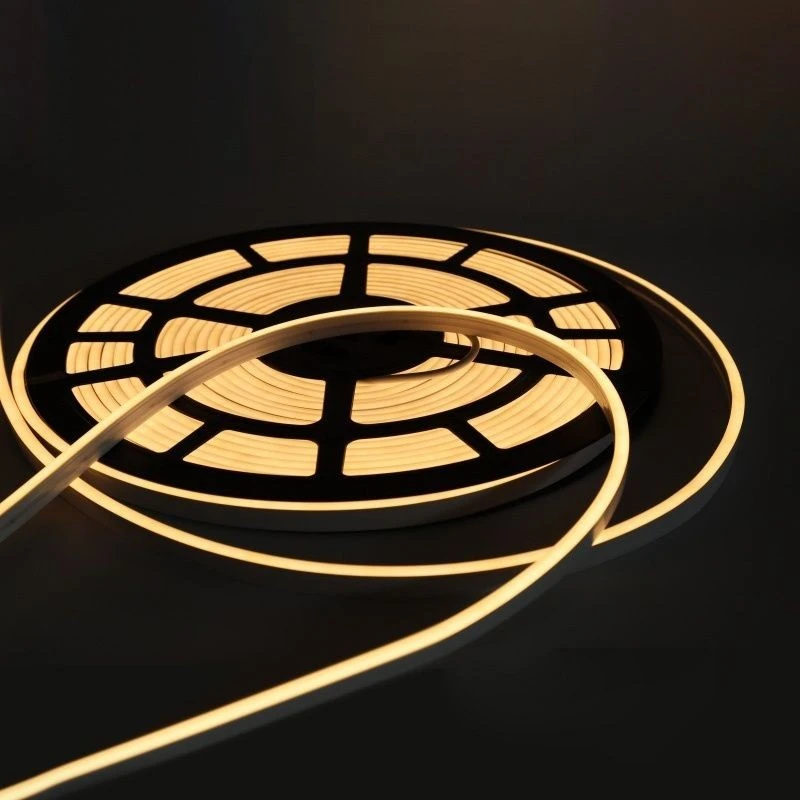
To protect our RGBW neon strips from electrical stress, we include built - in protection circuits. These circuits regulate the voltage and current supplied to the LEDs, ensuring that they operate within their safe limits. This helps to maintain the color stability of the strip over its lifespan.
Ensuring Color Stability in Our Products
As a supplier, we take several steps to ensure the color stability of our RGBW neon strips.
Quality Control
We have a strict quality control process in place. Every RGBW neon strip undergoes thorough testing before it leaves our factory. We use specialized equipment to measure the color temperature, color rendering index (CRI), and brightness of the LEDs. This allows us to identify any color inconsistencies or potential issues with color stability early on.
LED Selection
We carefully select the LEDs for our RGBW neon strips. We work with reputable LED manufacturers to source high - quality LEDs that have a proven track record of color stability. We also perform in - house tests on different batches of LEDs to ensure that they meet our specifications.
Design and Manufacturing
Our RGBW neon strips are designed with color stability in mind. We use high - quality materials for the substrate, encapsulation, and wiring. The design of the strip also takes into account thermal management and electrical protection. For example, we use a flexible printed circuit board (PCB) that has good heat - dissipation properties.
Comparing with Other Types of Neon Strips
It's interesting to compare the color stability of RGBW neon strips with other types of neon strips, such as Pixel Neon Strip and Single Color Neon Strip.
Pixel neon strips are similar to RGBW neon strips in that they can produce a wide range of colors. However, pixel neon strips have individual addressable LEDs, which means that each LED can be controlled independently. This allows for more complex lighting effects but may also introduce more opportunities for color inconsistencies. RGBW neon strips, on the other hand, have a more uniform color output, which can be an advantage in applications where color consistency is crucial.
Single color neon strips, as the name suggests, only emit one color of light. Since they do not have multiple colors of LEDs, the issue of color shift between different colors is not a concern. However, they still need to maintain the stability of their single color over time. RGBW neon strips offer more versatility in terms of color options but require more careful management of color stability.
Conclusion
Color stability is an important consideration when choosing an RGBW neon strip. As a supplier, we are committed to providing our customers with high - quality products that maintain their color accuracy and vibrancy over time. By using high - quality LEDs, implementing strict quality control measures, and designing our products with color stability in mind, we ensure that our RGBW neon strips meet the needs of our customers.
If you are interested in purchasing RGBW neon strips or have any questions about color stability, we invite you to contact us for a detailed discussion. Our team of experts is ready to assist you in finding the right lighting solution for your project.
References
- LED Lighting Handbook, published by a leading lighting industry association.
- Research papers on LED aging and color stability from academic journals.


