


Alright, folks! Today, I'm gonna dig into a topic that's been buzzing in the lighting world: the difference in heat dissipation between RGB and RGBW neon strips. As a supplier of RGBW Neon Strips, I've got some hands - on experience and knowledge to share with you.
Let's first break down what RGB and RGBW actually mean. RGB stands for Red, Green, and Blue. These three primary colors are the building blocks of a wide spectrum of colors. You can mix different intensities of these three colors to create various hues, tints, and shades. On the other hand, RGBW adds an extra white LED to the mix. The white LED can provide a pure white light without having to blend the other three colors. This is super useful when you need a really clean and bright white, like in some commercial or display lighting.
Now, let's talk about heat dissipation. Heat is a big deal when it comes to LED lighting. LEDs convert electrical energy into light, but not all of that energy is transformed perfectly. Some of it gets wasted as heat. If this heat isn't dissipated properly, it can cause a bunch of problems. For one, it can reduce the lifespan of the LEDs. High temperatures can also affect the color accuracy of the light output. So, keeping the heat in check is crucial for a long - lasting and high - quality lighting solution.
Heat Dissipation in RGB Neon Strips
RGB neon strips have three types of LEDs (red, green, and blue) working together. Each of these LEDs has its own characteristics when it comes to heat generation. Red LEDs generally produce less heat compared to green and blue ones. Green and blue LEDs require more energy to emit light, and as a result, they generate more heat.
The heat dissipation in RGB neon strips mainly depends on two factors: the quality of the LEDs themselves and the design of the strip. High - quality LEDs are usually made with better materials that can handle heat better. They also have a more efficient internal structure that allows for better heat transfer.
The design of the strip is also important. A well - designed RGB neon strip will have a good heat sink. A heat sink is like a radiator for the LEDs. It absorbs the heat from the LEDs and spreads it out over a larger area, making it easier for the heat to dissipate into the surrounding air. Some RGB neon strips also have a flexible and thin substrate that can help conduct heat away from the LEDs.
However, RGB neon strips do have a bit of a challenge when it comes to heat. Since they are constantly mixing different colors, all three types of LEDs are often working at the same time. This means that there is a continuous generation of heat from multiple sources, which can make it harder to keep the temperature down.
Heat Dissipation in RGBW Neon Strips
RGBW neon strips, as I mentioned earlier, have an additional white LED. This white LED can actually have a positive impact on heat dissipation in some cases. When you need a white light, instead of mixing red, green, and blue LEDs, you can just use the white LED. This reduces the workload on the other three LEDs, which in turn reduces the overall heat generation.
The white LED in RGBW neon strips is often designed to be more energy - efficient. It can produce a bright white light with less energy consumption compared to the combination of red, green, and blue LEDs. This means that less heat is generated in the first place.
Just like RGB neon strips, the heat dissipation in RGBW neon strips also relies on the quality of the LEDs and the design of the strip. High - quality white LEDs and a well - designed heat sink are essential. In fact, some RGBW neon strips are designed with special features to optimize the heat dissipation of the white LED. For example, they may have a larger surface area for the white LED to help it cool down faster.
Comparison and Benefits
When we compare the heat dissipation between RGB and RGBW neon strips, it's clear that RGBW has some advantages. The ability to use the dedicated white LED reduces the overall heat load on the strip. This can lead to a longer lifespan of the LEDs and more stable color output.
In applications where you need a lot of white light, like in retail stores or art galleries, RGBW neon strips are a better choice. They can provide a pure white light without overheating the LEDs. On the other hand, RGB neon strips are great for creating colorful and dynamic lighting effects. But you may need to pay more attention to heat management.
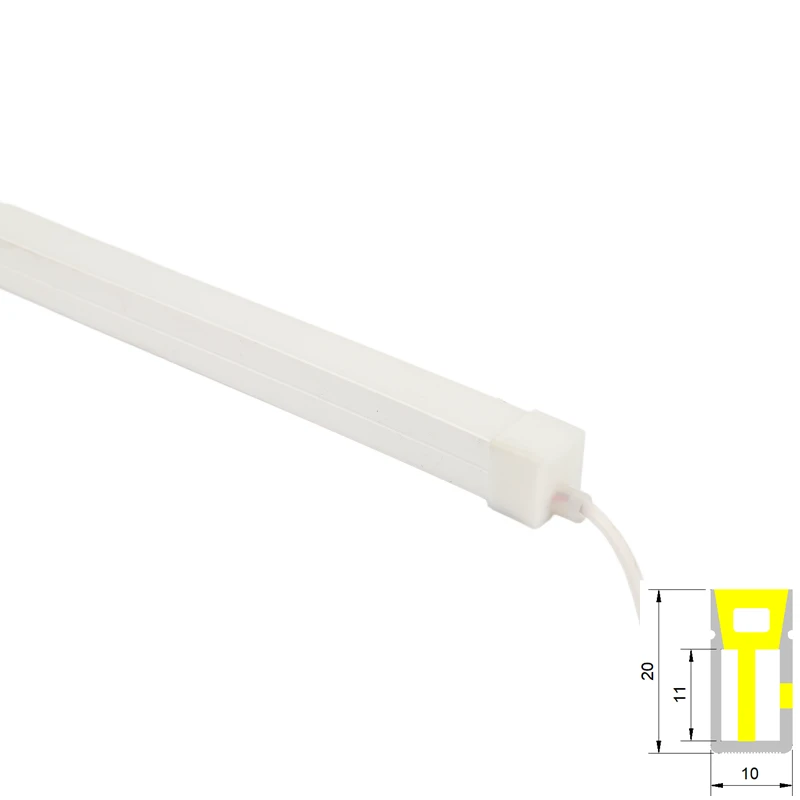

Our RGBW Neon Strips
As a supplier of RGBW Neon Strips, we've put a lot of effort into designing products with excellent heat dissipation. Our strips are made with high - quality LEDs that are carefully selected for their energy efficiency and heat - handling capabilities. The heat sink design on our strips is optimized to ensure that the heat is quickly and effectively dissipated.
We offer a variety of RGBW neon strips to suit different needs. If you're looking for a customizable option, check out our Pixel Neon Strip. It allows you to control each individual LED pixel, creating unique and eye - catching lighting effects.
For those who just need a simple and reliable white light, our Single Color Neon Strip is a great choice. It features a pure white LED for bright and consistent illumination.
And if you need a 360 - degree lighting solution, our 360° Round Neon Strip is the way to go. It provides even light distribution all around, and the heat dissipation design ensures that it performs well over time.
Let's Connect
If you're in the market for RGBW neon strips or want to learn more about how our products can meet your lighting needs, don't hesitate to reach out. We're here to discuss your project, answer any questions you might have, and provide you with a customized solution. Whether you're a DIY enthusiast, an interior designer, or a business owner, we've got the right products for you.
References
- Various industry reports on LED lighting technology
- Manufacturer specifications of RGB and RGBW LED components


